How to Conduct a Workflow Analysis
Understanding Workflow Analysis
Workflow analysis is a systematic approach to assessing and improving the processes within an organization. It helps identify inefficiencies, bottlenecks, and areas for enhancement. By conducting a thorough analysis, businesses can streamline operations, reduce costs, and improve overall productivity. This article provides a step-by-step guide to conducting an effective workflow analysis.
Why Conduct a Workflow Analysis?
There are numerous benefits to performing a workflow analysis. Understanding these advantages can motivate teams to undertake this critical assessment.
- Increased Efficiency: Identifying redundancies and streamlining tasks leads to faster completion times.
- Cost Reduction: Eliminating unnecessary steps can lower operational costs.
- Improved Quality: A well-analyzed workflow tends to produce higher quality outputs.
- Enhanced Communication: Clear workflows improve collaboration among team members.
- Better Resource Allocation: Understanding workflows aids in optimal distribution of resources.
Steps to Conduct a Workflow Analysis
Now that you understand the importance of workflow analysis, let’s explore the steps involved in conducting one effectively.
1. Define the Objectives
Before diving into the analysis, it’s crucial to clearly define the objectives. Ask yourself:
- What processes need improvement?
- What specific outcomes are expected from the analysis?
- Who is involved in the workflow?
Setting clear goals will guide the analysis and help you measure success.
2. Map the Current Workflow
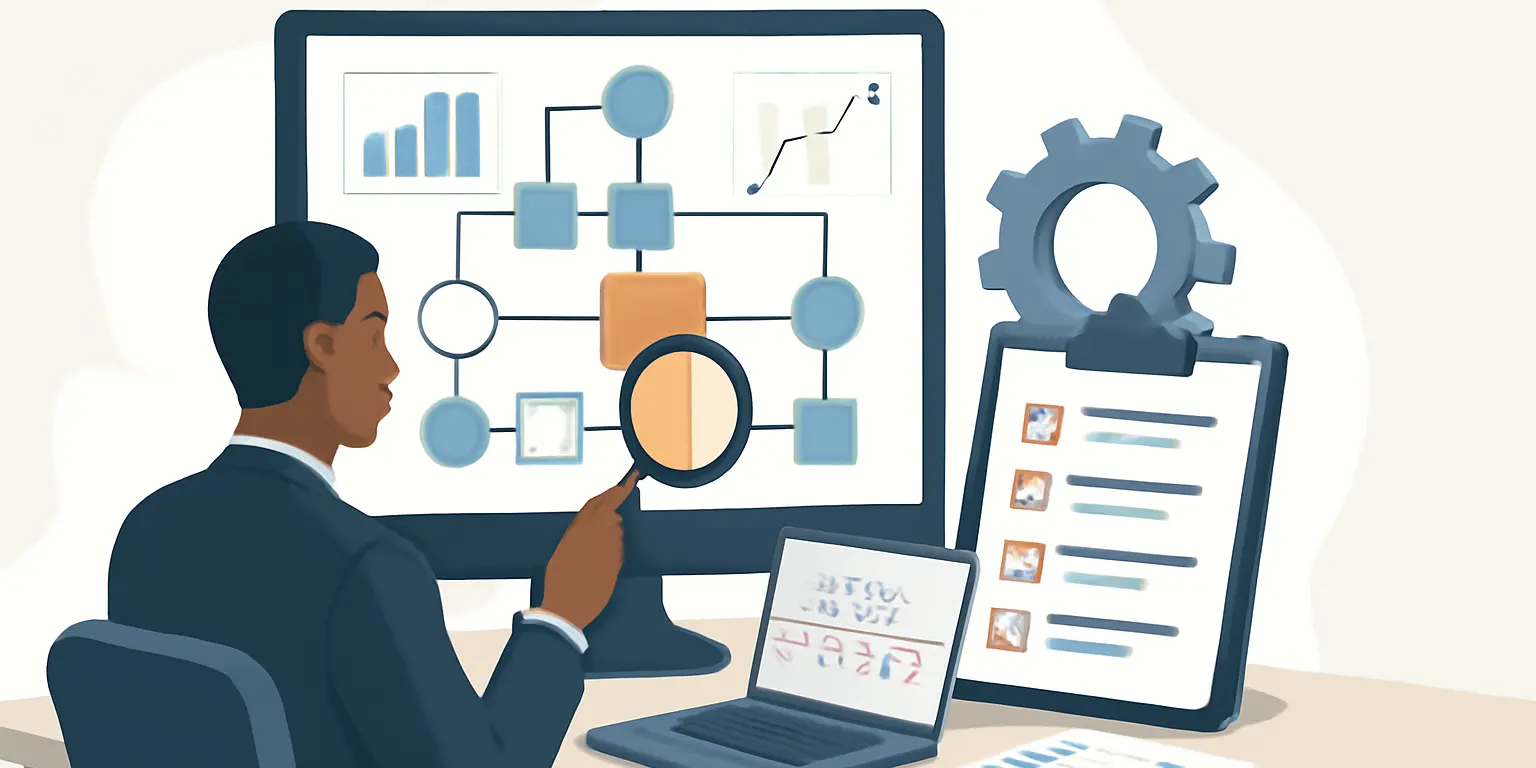
Creating a visual representation of the current workflow is essential. Use flowcharts or diagrams to illustrate each step of the process. This helps in identifying:
- Key tasks and responsibilities
- Decision points
- Interdependencies between tasks
Tools like Lucidchart or Microsoft Visio can be beneficial for this task.
3. Gather Data
Collect quantitative and qualitative data about the workflow. This can include:
- Time taken for each task
- Error rates
- Employee feedback
Data-driven insights will help you make informed decisions.
4. Identify Bottlenecks and Issues
Examine the mapped workflow and data to pinpoint bottlenecks or inefficiencies. Common indicators of problems include:
- Tasks that frequently lag behind schedule
- High error rates in specific stages
- Feedback indicating frustration or confusion
Understanding these issues is critical for developing solutions.
5. Develop Improvement Strategies
Based on your findings, create strategies to improve the workflow. Consider the following:
- Automating repetitive tasks
- Redesigning roles and responsibilities
- Implementing new technologies or tools
Choose solutions that align with your defined objectives and address the identified issues.
6. Implement Changes
Once strategies are developed, it’s time to implement them. Ensure that:
- All stakeholders are informed of the changes
- Training is provided if new tools or processes are introduced
- Feedback mechanisms are established to monitor the changes
Effective communication during this stage is crucial for successful implementation.
7. Monitor and Evaluate
After implementation, continuously monitor the workflow to evaluate the effectiveness of the changes. Use the same metrics collected during the initial analysis to measure improvements. Adjust strategies as necessary based on ongoing feedback and performance.
Avoiding Common Mistakes
When conducting a workflow analysis, there are common pitfalls that can derail the process:
- Failing to involve key stakeholders can lead to incomplete insights.
- Not setting clear objectives can result in unfocused efforts.
- Ignoring the importance of follow-up evaluations can cause regressions.
Conclusion
Conducting a workflow analysis is an invaluable practice for organizations seeking to enhance efficiency and productivity. By following a structured approach—defining objectives, mapping current workflows, gathering data, identifying bottlenecks, developing improvement strategies, implementing changes, and monitoring outcomes—you can achieve significant improvements in your operations. Remember to avoid common mistakes and keep an open line of communication with your team throughout the process. Embracing workflow analysis not only optimizes processes but also fosters a culture