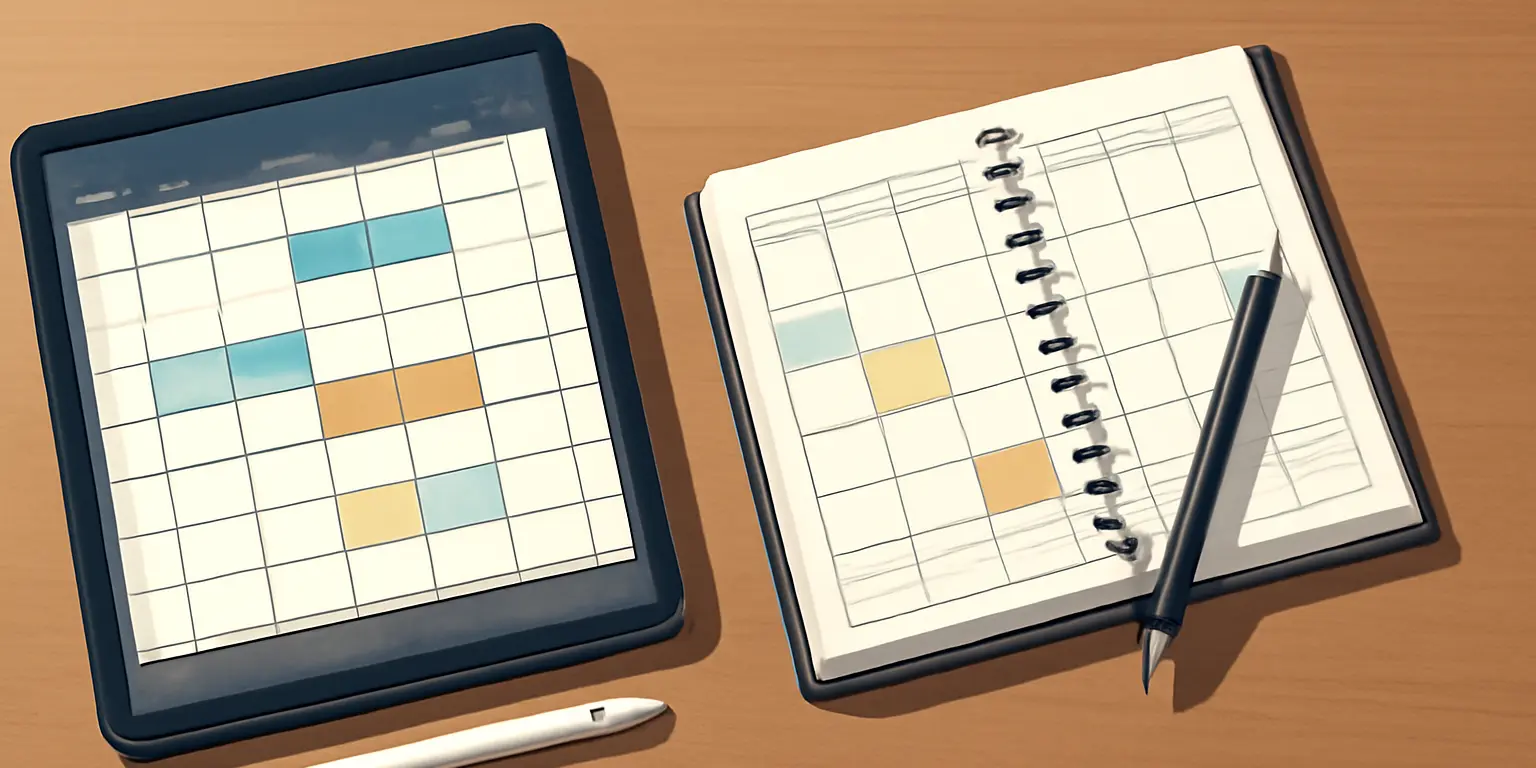
How to Choose the Right Planner for You
Introduction
In today’s fast-paced world, staying organized is essential for both personal and professional success. A well-chosen planner can be a powerful tool to enhance productivity, streamline tasks, and manage time effectively. However, with countless options available, selecting the right planner can feel overwhelming. This guide will help you navigate the process of choosing a planner that best fits your needs and lifestyle.
Understand Your Needs
The first step in selecting a planner is understanding your specific needs. Consider the following factors:
- Goals: What do you want to achieve? Personal goals, work projects, or perhaps a combination of both?
- Style: Do you prefer a minimalist design or something more colorful and elaborate?
- Usage: Will you use it daily, weekly, or monthly? Understanding your usage frequency will help you choose the right layout.
Identify Your Planning Style
Different planners cater to various planning styles. Here are some popular types:
- Daily Planners: These are ideal for individuals who prefer a detailed approach, allowing for hour-by-hour scheduling.
- Weekly Planners: A great choice for those who like to see their week at a glance, allowing for better time allocation.
- Monthly Planners: Perfect for long-term planning, enabling you to track larger projects and events over time.
Consider Your Organization Methods
Think about how you organize your tasks. Do you prefer lists, color-coding, or setting priorities?
- Bullet Journals: These are customizable and allow for creative expression while keeping tasks organized.
- Task Lists: If you thrive on checking off completed tasks, look for planners that focus on to-do lists.
- Goal Trackers: Some planners include sections specifically for tracking goals, making it easier to stay focused on your objectives.
Evaluate Size and Portability
The size of your planner can greatly influence its usability. Consider the following:
- Compact Planners: Easy to carry and fit into a bag, ideal for on-the-go professionals.
- Large Planners: Offer more writing space but can be cumbersome to transport.
- A5/A6 Sizes: These sizes strike a balance between portability and usability.
Material and Quality
The durability of a planner is important. High-quality materials can enhance longevity and usability. Look for:
- Cover Material: Options include leather, plastic, or cloth, each offering different levels of durability.
- Paper Quality: Thicker paper prevents ink bleed and enhances the writing experience.
- Binding Type: Spiral, hardcover, or softcover bindings each affect usability and aesthetics.
Explore Additional Features
Some planners come with extra features that can enhance your planning experience:
- Stickers and Templates: These can add personalization and fun to your planning.
- Pockets: Useful for storing important documents or notes.
- Inspiration Pages: Some planners include motivational quotes or tips to keep you inspired.
Avoid Common Mistakes
When choosing a planner, it’s easy to make mistakes. Here are some common pitfalls to avoid:
- Choosing Based on Trends: Focus on what works for you rather than what is popular.
- Overcomplicating: A planner should simplify your life, not complicate it. Choose one that matches your style.
- Ignoring Reviews: Researching user experiences can provide insight into the planner’s effectiveness.
Conclusion
Selecting the right planner is a personal journey that requires thoughtful consideration of your individual needs, goals, and preferences. By assessing your planning style, organization methods, and the quality of materials, you can find a planner that enhances your productivity and keeps you on track. Remember to avoid common mistakes and choose a planner that resonates with you. With the right planner in hand, you can transform your planning process and achieve your goals more effectively.