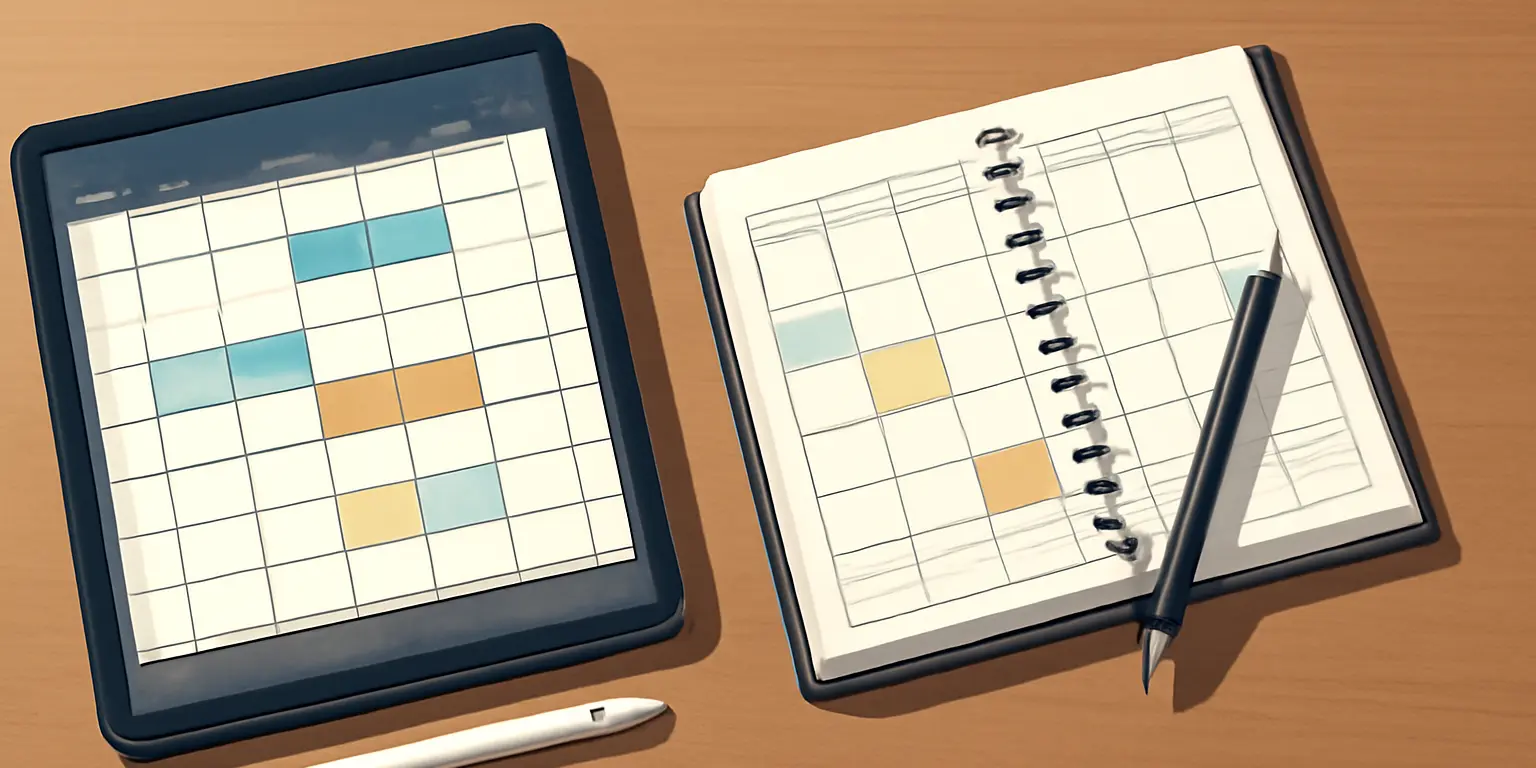
The Benefits of Digital vs. Paper Planning
The Benefits of Digital vs. Paper Planning
In today’s fast-paced world, effective planning is crucial for professionals striving to enhance their productivity. With the advent of technology, individuals are often torn between traditional paper planning methods and modern digital solutions. Both approaches have their merits and drawbacks. In this article, we will explore the benefits of digital versus paper planning, helping you make an informed choice that aligns with your workflow preferences and productivity goals.
Understanding Digital Planning
Digital planning refers to using applications, software, or online tools to organize tasks, schedules, and goals. Popular digital planning tools include:
- Calendar apps (e.g., Google Calendar)
- Task management software (e.g., Trello, Asana)
- Note-taking apps (e.g., Evernote, Notion)
- Project management tools (e.g., Monday.com)
Key Benefits of Digital Planning
Digital planning offers several advantages that can significantly boost your productivity:
- Accessibility: Digital planners can be accessed from various devices, including smartphones, tablets, and computers, allowing you to manage your tasks on the go.
- Real-Time Collaboration: Many digital tools enable team collaboration, making it easy to share plans and updates with colleagues.
- Automation: Digital planners often come with automation features, such as reminders and recurring tasks, helping you stay on track effortlessly.
- Searchability: Finding specific notes or tasks in a digital planner is quick and easy, saving you valuable time.
- Integration: Many digital tools can integrate with other applications, enhancing your productivity by streamlining workflows.
Exploring Paper Planning
Paper planning involves using physical notebooks, planners, or printed templates to organize tasks and schedules. Many individuals still prefer this method for its tactile benefits. Here are some common paper planning tools:
- Daily planners
- Bullet journals
- Wall calendars
- Printed task lists
Advantages of Paper Planning
Choosing paper planning comes with its own set of benefits that resonate with many users:
- Tactile Experience: Writing by hand can enhance memory retention and comprehension, making it easier to remember tasks.
- Creativity: Paper planners allow for creativity through doodling, stickers, and personalized layouts.
- No Distractions: Using a paper planner reduces the likelihood of distractions from notifications and online activities.
- Personal Connection: Many users feel a stronger connection to their goals when writing them down by hand.
Common Mistakes in Planning
Regardless of the method you choose, certain pitfalls can hinder your planning effectiveness:
- Overloading your planner with too many tasks.
- Failing to review and adjust your plans regularly.
- Not prioritizing tasks, leading to inefficiency.
- Neglecting to set realistic deadlines.
Choosing the Right Planning Method
The choice between digital and paper planning often depends on personal preferences and work habits. Consider the following factors:
- Your comfort level with technology.
- Your need for collaboration and real-time updates.
- Your organizational style and whether you prefer visual layouts.
- How often you travel or work in different locations.
Conclusion
Both digital and paper planning have unique benefits that can enhance your productivity. Digital planning offers convenience, accessibility, and integration, while paper planning provides a tactile, distraction-free experience. Understanding your needs and preferences is key to selecting the right planning system for you. By avoiding common mistakes and leveraging the strengths of your chosen method, you can create an effective planning strategy that maximizes your efficiency and keeps you organized.